What does HFSS stand for, and what are the HFSS guidelines, exactly?
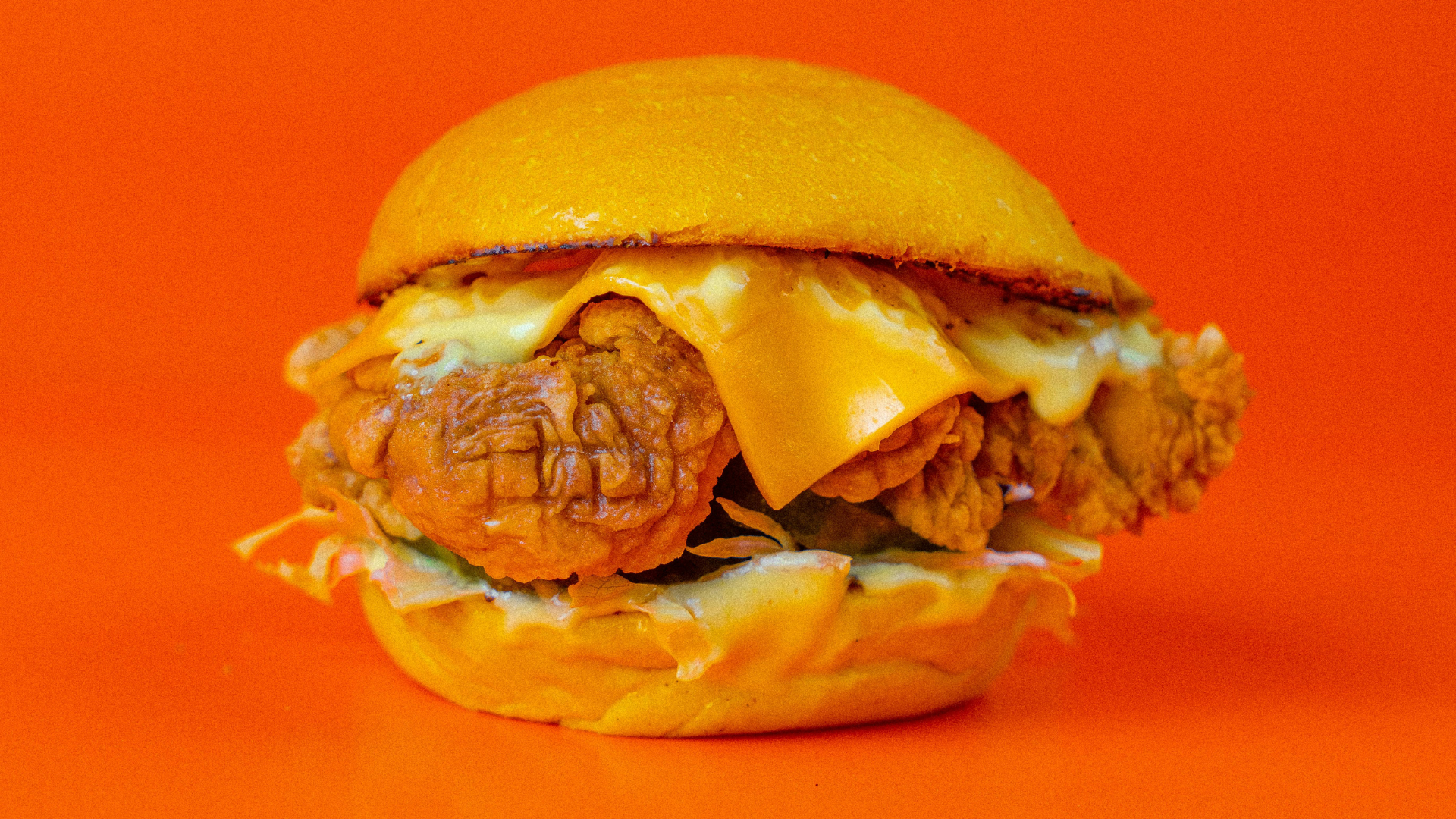
Let’s start with the basics. The acronym HFSS stands for ‘high in fat, salt or sugar’ and is used to classify food and drink products that are often described as “less healthy”. This descriptor is used to help identify less healthy foods as part of a broader public health policy to reduce childhood obesity and limit exposure to junk food marketing here in the UK. Examples of HFSS foods include chocolate, sweets, crisps and fried fast foods.
On the 5th of January 2026, the UK Government shared some key updates to the HFSS advertising rules, which are set to have a substantial impact on the marketing of food and drink products - both by ‘traditional’ advertising streams and by more contemporary advertising methods such as influencer marketing. Let’s start by breaking down these HFSS rules:
- Paid advertising - in the UK, there should be no paid advertising of HFSS products online at any time - this includes paid social, search, display ads, and sponsored placements.
- TV ads - in terms of TV advertising, no HFSS products should be advertised on TV / via streaming services before 9 pm. These can only roll out during the UK watershed hours of 9 pm-5.30 am.
- Influencer marketing - paid influencer marketing that promotes HFSS products is banned completely under the new legislation.
- Brand-only advertising (no identifiable HFSS product shown) - this remains permitted, but with strict limits - if a recognisable HFSS product appears within the ad, the exemption does not apply.
How will the HFSS ad ban affect your influencer marketing activity?
In short? Quite significantly - especially if you are a food or drinks brand or supplier, or are an agency that collaborates within these industries. Paid influencer content that promotes identifiable HFSS products is now banned. This includes:
- Paid posts, reels, TikToks or any social media videos or stills promoting specific HFSS foods or drinks.
- Paid product placements / sponsored shout-outs of HFSS items.
- Content where transfers of value (money, gifting, pr event invites, commission) are tied to HFSS product promotion. This includes the use of affiliate codes and links.
How this affects contracting and ways of working:
The updated legislation doesn’t just impact creators and the content they make; it also changes the way brands and agencies collaborate. Most importantly, influencer contracts must now include HFSS compliance clauses, clear explanations and definitions of what can and cannot be shown in their content, and obligations around platform and targeting controls. Both influencers and agencies may also need to conduct audience analysis (sharing demographic insights) to ensure that no more than 25% of their audience is under 16 years of age.
Influencers with significant child audiences will have limited - or no - ability to feature HFSS content even if it’s not paid, because of targeted exposure rules. This calls for a stringent selection of influencers for your 2026 campaigns.
Non-compliance with these rules is enforceable - not just a voluntary code. Breaching the HFSS advertising ban can lead to ad takedowns, sanctions by Ofcom/ASA (Advertising Standards Authority), and reputational damage. It is therefore important that your content and collaborations are in line with this guidance.
Ways brands and agencies can work with influencers and HFSS brands.
Whilst the HFSS restrictions will force food and drink brands to rethink and rework the way in which they collaborate with creators, all hope is not lost; there are some limited cases in which influencer collaboration is permitted. These include:
- Influencers can generally promote a brand if they don’t show or name any identifiable HFSS product, e.g., through value statements, brand stories, or corporate initiatives. This will force brands to be more creative with their content briefs - whilst also adhering to the updated regulations.
- Influencers can promote non-HFSS products (foods that pass the nutrient profiling model) - provided these aren’t advertised in a way that reaches children or breach other advertising rules.
- Organic content (non-paid) on a brand’s own channels is not covered by the paid ad ban - but must still follow normal advertising codes (ASA/CAP Code).
Strategic shifts you should consider
The HFSS guidelines above significantly change how influencer campaigns are planned, briefed and executed. So, what do the next steps look like for brands and agencies within the food and drinks industries?
Firstly, agencies, brands, and influencers must move away from blatant product ads and lean into brand storytelling. Whilst influencers are unable to feature HFSS products, they can, however, share content around your brand’s story, campaigns or initiatives. For brands and agencies, it’s time to get creative with your messaging and partner with creators as storytellers. Alternatively, marketers can focus on pushing the brand’s non-HFSS products, centering any paid promotion around those instead.
Secondly, brands and agencies must build compliance checks into their influencer outreach research and workflows. Audience demographics must be analysed thoroughly before partnering with creators to promote HFSS brands, and extra-thorough content approvals must take place to ensure all parties are being compliant with these updated guidelines.
Lastly, it's time to take things offline. As an alternative to traditional paid ads and influencer partnerships, marketers should lean into the offline world by experimenting with activations, tastings and events where passers by will generate their own UGC vs paying creators to do so.
Conclusion
Whilst the latest HFSS guidelines may have spun brands for a bit of a loop, there is still lots of opportunity to promote your products in a way that drives results. At Hydrogen, we specialise in content and partnership strategy, whilst working at the speed of social. So, if you’re a food or drinks brand in need of influencer/partnership consultancy - or require support in selecting or storyboarding your upcoming brand partnerships, get in touch today.